Straight-shooting trade specialist
HVAC contractor insurance
One strong pillar owns HVAC contractor, HVAC business and general liability head-term intent.
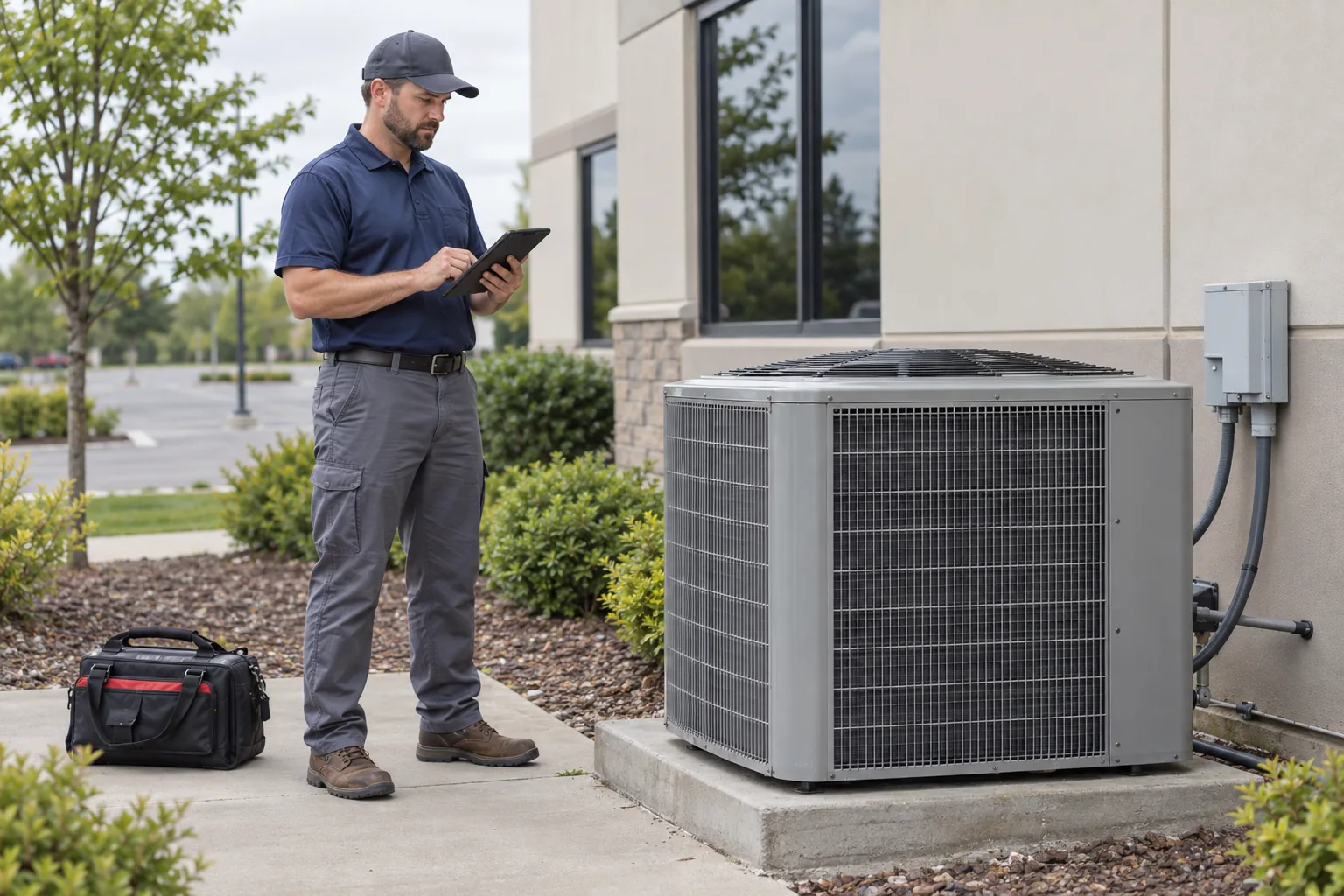
Short answer
Start with the operation, then discuss the policy
HVAC contractor insurance starts with a plain description of the work. Include who performs it, where it happens, what the customer expects and what the business will not do.
This guide helps HVAC contractors, refrigeration businesses and mechanical service companies organize the facts a licensed producer needs to understand. The goal is to present installation, service, equipment and vehicle exposures clearly.
Coverage names are only a starting point. Forms, endorsements, exclusions, limits and carrier appetite vary. The issued policy controls.
Coverage map
Give each coverage one job
Use this map to ask focused questions. It is not a list of automatically included coverage.
- 01
third-party injury and property-damage allegations
Ask which form responds, which events are excluded and what limit or deductible applies.
- 02
completed-work allegations
Ask which form responds, which events are excluded and what limit or deductible applies.
- 03
tools, equipment and installation materials
Ask which form responds, which events are excluded and what limit or deductible applies.
- 04
commercial vehicle exposure
Ask which form responds, which events are excluded and what limit or deductible applies.
- 05
employee injury and certificate requirements
Ask which form responds, which events are excluded and what limit or deductible applies.
Focus for this guide
One strong pillar owns HVAC contractor, HVAC business and general liability head-term intent.
Describe the work in plain language
For hvac contractor insurance, explain who does the work, where it happens and what the customer expects. Include occasional work, not only the main revenue line.
Connect people, property and contracts
Answer this first: What percentage is service, repair and new installation? Then record the property, vehicles, employees and subcontractors used to deliver the service.
Set the boundary before the policy review
One strong pillar owns HVAC contractor, HVAC business and general liability head-term intent. Tell the producer which jobs or activities the business will not perform so the submission has a clear operating boundary.
Operating picture
Name every part of the work
If an operation is missing from an application or policy conversation, do not assume it is covered. Bring it up directly.
Before the review
Bring answers to these questions
Clear facts help a producer identify the right market and spot issues before certificate or closing deadlines.
- What percentage is service, repair and new installation?
- Do technicians work on roofs, boilers, refrigeration or industrial systems?
- Who drives company or personal vehicles for work?
Cost inputs
Price follows the facts
Online averages can hide the differences that matter. A real review may consider these inputs and others.
work mix and annual receipts
Document the current value or practice and note what changed since the last policy period.
payroll and subcontractor cost
Document the current value or practice and note what changed since the last policy period.
height, system type and job size
Document the current value or practice and note what changed since the last policy period.
vehicles, tools and territory
Document the current value or practice and note what changed since the last policy period.
experience, losses and requested limits
Document the current value or practice and note what changed since the last policy period.
A cleaner process
Move from preparation to policy review
- Describe the operationUse plain language and include side work, new services and subcontracted work.
- List people and propertyRecord owners, employees, locations, equipment and vehicles that matter to the risk.
- Gather outside requirementsBring contracts, leases, lender instructions and certificate requests.
- Review with a licensed producerAsk how the proposed forms, limits, deductibles and exclusions apply.
- Check the issued policyConfirm names, locations, operations and requested endorsements after issue.
Common questions
What to know before you rely on a policy
What should I gather for hvac contractor insurance?
Start with this question: What percentage is service, repair and new installation? Then bring the documents and schedules that support the answer.
Why does hvac contractor insurance depend on operation details?
The same label can describe businesses with different work, property, people, contracts and loss exposure. A licensed producer needs the actual operation, not only the category name.
Does this guide decide what coverage I need?
No. It explains preparation questions for hvac contractor insurance. A licensed producer must evaluate the facts, state, contracts and available markets.
What controls if the website and policy differ?
The issued policy and endorsements control. A website summary, certificate or checklist does not amend the policy or create coverage.
Sources and review
Trace the public guidance
Last updated 2026-09-18. Public sources support general educational statements. A licensed producer must review policy-specific questions.